Choosing between vulcanized and cupsole skate shoes comes down to what you want under your feet. Both constructions have loyal fans, both appear on popular skate shoe models, and both change how a trick feels from the first push. The quick version is simple: vulcanized shoes prioritize board feel, flexibility, and precision, while cupsole shoes focus on impact protection, stability, and durability. The longer version involves how each sole is built, how much support your foot gets on landings, and where you do most of your skating.
Skaters at our shop ask about this all the time. People who learned on one style wonder what the other feels like, and parents buying first shoes for young skaters want a straight answer for how their kids will actually use them. Here is the breakdown, with the real trade-offs both designs bring.
What Is a Vulcanized Skate Shoe?
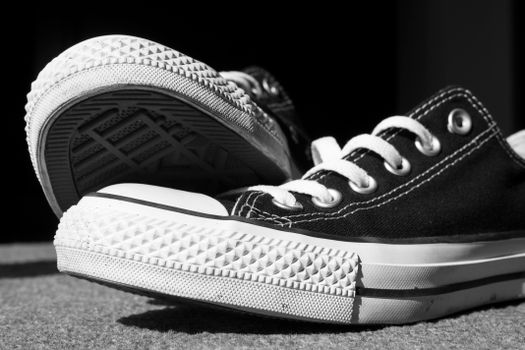
A vulcanized skate shoe gets its signature feel from the way the sole is attached to the shoe. The construction is simpler than a cupsole, and the sole sits as a flat rubber layer close to the foot and the board. Vulcanized shoes prioritize board feel, flexibility, and precision, which is why so many skaters describe them as responsive.
The downside is the amount of material between you and the ground. Vulcanized soles are thinner, and thinner soles objectively offer less protection and impact absorption. You feel more of the board, which is the point, but your feet also take more of the hit on hard landings.
What Is a Cupsole Skate Shoe?
A cupsole skate shoe is exactly what the name suggests. Rather than the flat rubber sole you find on vulcanized shoes, a cupsole is curved and provides more support to the foot and ankle. Cupsoles generally feature a solid, one-piece sole unit that is then glued or stitched to the upper. The result is a shoe that feels more structured from the moment you put it on.
Cupsole shoes focus on impact protection, stability, and durability. The extra material underfoot changes the way landings feel, and the curved shape holds your foot in a more supported position. For skaters who notice sore feet after longer sessions, that support makes a real difference over time.
The Main Difference: Board Feel vs Protection
The clearest trade-off in the vulcanized vs cupsole skate shoes conversation is feel versus protection. A vulcanized sole keeps your foot close to the board for better precision and flexibility. A cupped sole places more material between you and the ground, which softens the impact of rough landings but makes the board harder to read.
There is no perfect answer, and that is fine. Each construction gives something up to gain something else. Understanding that trade-off ahead of time helps you avoid buying a shoe that looks right but feels wrong once you are rolling.
Key Differences at a Glance
Here is a side-by-side comparison that keeps the important details easy to scan.
| Point of comparison | Vulcanized | Cupsole |
|---|---|---|
| Construction | Simpler build with a flat rubber sole | Solid one-piece sole unit glued or stitched to the upper |
| Main priority | Board feel, flexibility, precision | Impact protection, stability, durability |
| Foot and ankle support | Thinner sole with less cushion | Curved shape with more support |
| Protection on landings | Less material between foot and ground | More material underfoot for impact absorption |
Remember that brands add their own cushioning, materials, and tread designs, so two vulcanized shoes can feel different from each other. The construction type gives you the starting point, not the whole story.
Vulcanized Skate Shoes: Pros and Cons
Vulcanized shoes have stayed popular for good reasons, but they ask you to accept a real trade-off.
Pros of vulcanized skate shoes
- Board feel is the standout strength. The flat sole keeps your foot close to the board, so you feel the grip tape and the way the board moves beneath you.
- Flexibility is high. Vulcanized shoes move naturally with your foot through the whole trick.
- Precision is built into the design. Small foot adjustments and flicks feel direct because less material sits in the way.
- The simple construction keeps the profile of the shoe low and streamlined.
Cons of vulcanized skate shoes
- Thinner soles mean less impact protection, so hard landings travel straight to your feet.
- The flat shape offers less support to the foot and ankle compared with a curved cupsole.
- For skaters with existing foot discomfort, vulcanized shoes generally provide less cushion over a long session.
Cupsole Skate Shoes: Pros and Cons
Cupsole skate shoes take the opposite approach. They add bulk underfoot in exchange for protection and support.
Pros of cupsole skate shoes
- Impact protection comes from the extra material underfoot, which helps on bigger gaps and repeated landings.
- Stability is a core focus of the one-piece sole unit, so your foot sits in a more secure position.
- Durability is built into the design, with more material standing up to heavy skating.
- The curved sole provides more support to the foot and ankle than the flat sole of a vulcanized shoe.
- For foot health, most cupsoles are technically better because vulcanized soles are thinner and offer less protection.
Cons of cupsole skate shoes
- Board feel is less direct because more material sits between your foot and the board.
- Flexibility is reduced compared with a vulcanized shoe, so the shoe can feel less sensitive for technical tricks.
Which Should You Choose?
Start with how you skate. If you want maximum board feel, flexibility, and precision, vulcanized construction is the natural fit. If you want cushion, stability, and a shoe built to handle impact, cupsole construction will serve you better. Skating continues to push what footwear needs to handle, including bigger gaps, faster lines, and constant progression. Those demands push many skaters toward cupsole models that absorb more abuse.
Listen to your feet as well. Most cupsoles are technically better for feet and foot health, especially if you skate often or deal with soreness. The curved cupsole supports the foot and ankle in a way that a thin vulcanized sole cannot match. Older skaters and anyone returning after time off the board tend to notice this difference quickly.
That does not mean vulcanized shoes are a bad choice. The direct connection to the board is a feeling you cannot get from a thick cupsole, and many skaters prefer that sensitivity for their everyday style. If you are young, skate frequently, and have no foot pain, a vulcanized shoe lets you feel every detail of the board. If you are not sure, consider what your sessions look like. Big drops and rough ground point to cupsole. Technical flatground and pure board feel point to vulcanized.
If you are near Twin Lakes, stop by Fixion and try a few pairs in person. The fastest way to settle the vulcanized vs cupsole skate shoes question is to flex both soles with your hands and imagine a day of skating in each one. Your own comfort will give you the answer.
Frequently Asked Questions
What is the difference between vulcanized and cupsole skate shoes?
Vulcanized skate shoes use a flatter rubber sole with a simpler construction and focus on board feel, flexibility, and precision. Cupsole skate shoes use a solid one-piece sole unit that is glued or stitched to the upper. That cup shape is curved and provides more support to the foot and ankle. Cupsole shoes focus on impact protection, stability, and durability instead of the connected feel that vulcanized shoes provide.
Are cupsole skate shoes better for your feet?
Most cupsoles are technically better for feet and foot health. Vulcanized soles are thinner and objectively offer less protection and impact absorption, so hard landings travel straight to your feet. The curved cupsole adds support to the foot and ankle, which helps during longer sessions. If you already deal with sore feet, that extra support is worth the reduced board feel.
Are cupsole skate shoes more durable than vulcanized?
Durability is one of the main focus points of cupsole skate shoes, alongside impact protection and stability. The one-piece sole unit is built to handle more abuse. Vulcanized shoes use a simpler build with a flatter sole, so there is less material protecting the shoe and your foot over time. For skaters who wear through shoes quickly, a cupsole is usually the safer bet.
How can you tell if a skate shoe is vulcanized or cupsole?
Look at the sole profile from the side. Vulcanized shoes have a flat rubber sole that sits low, while cupsoles curve and show more material under the foot. A cupsole looks like a separate one-piece unit glued or stitched to the upper, almost like a tray holding the shoe. That curved shape and the extra visible sole are the quickest visual clues.